



Skiing & Snowboarding Knee Injuries
SPORTS INJURIES
See Also:

Introduction
Although we are keen and experienced skiers this page is not intended to be a didactic and authoritative reference on skiing knee injuries. We will leave aside obvious general factors like skill levels, terrain, snow and weather conditions, fitness and tiredness and concentrate on numerous physical and clinical issues which we are interested in. Therefore, the content of this page is specific to our clinical practice and reflects our orthopedic interests, in particular skiing-injury related knee problems (ligament, chondral and subchondral injuries).
The number of people in the UK who ski or snowboard is rising - over 1.3 million in 2007. Statistics revealed by the Ski Club of Great Britain show that the vast majority of skiing trips are for seven days or less, and 28% of skiers class themselves as "beginners".
Unfortunately, as with every other outdoor sport, snow sports are associated with a risk of injury. But that risk is much lower than most people believe - less than 0.5% in fact. Skiing knee injuries, thanks to better bindings and ski design, are now falling in frequency and currently account for approximately 30-40% of all alpine ski injuries. Generally, it is safe to say that skiing and snowboarding are indeed safe sports.
Mechanism of ACL Injury in Recreational Skiers
AJSM October 2011
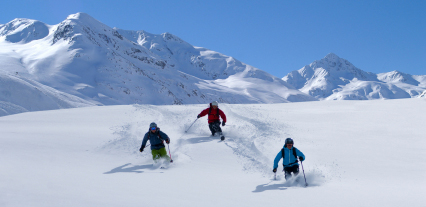
It seems that the incidence of ACL injuries in recreational alpine skiing is affected (reduced) by the introduction the short and shaped carving skis. Ettlinger et al. reported a significant decrease in the risk of sustaining an ACL injury in previous years when carving skis became more popular. Also, other studies revealed a lower risk for sustaining knee injuries when using carving skis compared with traditional skis. Due to the introduction of the short and shaped carving skis, the distribution of ACL injury mechanisms seems to have changed in recreational skiing. Recent studies on carving skiers indicate that the main ACL injury mechanism in recreational skiing is a forward twisting fall creating a valgus external rotation of the knee joint. It seems likely that the shorter length of carving skis compared with traditional skis causes a change in the distribution of ACL injury mechanisms in recreational skiing from the backward twisting fall (which seems to be a typical mechanism of ACL injury among elite competitive skier) to the forward twisting fall. For recreational skiing, it seems likely that the use of carving skis altered the distribution of the most common ACL injury mechanisms contributing to a decrease in the ACL injury risk. Source: Gerhard Ruedl et al. Letter to the Editor. AJSM October 2011 (re: Bere T et al.: Mechanism of ACL injury in World Cup Skiing: a systematic video analysis of 20 cases. AJSM 2011;39:1421-1429)
Gender-specific Ligament Injuries
In the UK, a boom in short skiing holidays abroad is leading to a rapid increase in knee injuries, particularly for women. More than 9 out of 10 of the injured skiers were women, with an average age of 40. Women aged over 25 are 2.5 times more likely to tear their anterior cruciate ligament than any other group. Fitness, or the lack of it, plays an important role in general. Women are also more likely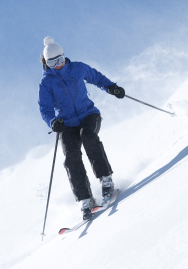 than men to suffer a serious knee injury due to ill-fitting ski boots -
up to half of all knee injuries are caused by loose-fitting or over-tightened ski boots.
than men to suffer a serious knee injury due to ill-fitting ski boots -
up to half of all knee injuries are caused by loose-fitting or over-tightened ski boots.
Although female knees seem to be anatomically more susceptible to such injury, anatomic differences in the distal femur (the width of the intercondylar notch) do not appear to contribute to the sex difference in ACL injury rates. The results of the study performed by Anderson and collaborators (1) give credence to the hypothesis that the sex difference in ACL tear rates is caused primarily by a difference in several interrelated intrinsic factors, including body fat, strength of the hamstring and quadriceps muscles, and the size of the ACL.
The phase of menstrual cycle may be one of the risk factors that influence knee ligament injury among female alpine skiers. The likelihood of sustaining an anterior cruciate ligament injury does not remain constant during the menstrual cycle: the risk of suffering an anterior cruciate ligament disruption is significantly greater during the preovulatory phase of the menstrual cycle compared with the postovulatory phase (2).
Female athletes are between two and eight times more likely to injure their anterior cruciate ligaments than men (3).
In our clinical practice we have also seen increased numbers of female skiing knee injuries(in skiers at all skill levels) resulting in partial MCL and full ACL tears. These injuries are almost always associated with extensive subchondral injuries (bone bruising and bone marrow oedema). Typically, most injuries in this group involve slow speed, slow deceleration and twisting in relatively deep snow. Most of the time the bindings do not release or release too late, which is not surprising as many other ski knee injuries occur because bindings fail to release.
* Further information
- Allen F. Anderson, MD, et al.: Correlation of Anthropometric Measurements, Strength, Anterior Cruciate Ligament Size, and Intercondylar Notch Characteristics to Sex Differences in Anterior Cruciate Ligament Tear Rates. The American Journal of Sports Medicine 29:58-66 (2001).
- Bruce D. Beynnon, PhD, et al.: The Relationship Between Menstrual Cycle Phase and Anterior Cruciate Ligament Injury. A Case-Control Study of Recreational Alpine Skiers. The American Journal of Sports Medicine34:757-764 (2006).
-
Hormones affect knee laxity, but effects vary among patients: Research published recently in the British Journal of Sports Medicine (BJSM) and the American Journal of Sports Medicine (AJSM) finds that changes in knee joint laxity (KJL) may be associated with hormonal changes during a woman’s menstrual cycle. Not all women, however, experience the KJL changes at the same time during their cycles. The authors assessed serum samples, KJL, and knee joint mechanics (angle, moment, and impulse) at the follicular, ovulation, and luteal phases in 26 women. They found no significant differences in knee joint mechanics across the menstrual cycle (no phase effect). However, 14 of the 26 women exhibited the greatest amount of knee laxity during the ovulation phase, 10 others had the greatest laxity during the follicular phase and 2 women had the greatest laxity during the luteal phase. Read more... Source: AAOS Headline News Now, 20 April 2009.
Difference Between Skiing and Snowboarding Injuries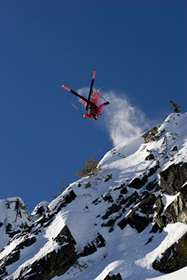
Skiing: the types of injury are more linked to ability level than in snowboarding.Beginners spend their time in the snowplough position, in which you have to keep your legs turned inwards withknees bent, to maintain your skis in a V point in front of you. This fixed position imposes strain on the medial collateral ligament (MCL). The MCL comes under further strain as the snow plough width increases (when, for instance, ski tips cross and lock). As the skier learns to adopt the parallel position (both skis pointing forwards) you get faster and tend tomove in and out of deeper knee bends. On steeper slopes (especially with more expert skiers – and indeed, snowboarders) the knees can have to endure extreme bending under load, placing stress on the kneecap. At greater speeds and with acute turns, falls will have more twisting force, resulting in anterior cruciate ligament (ACL) or combined knee injuries involving the menisci (cartilage) and collateral ligaments. Meniscal injuries happen most often as a result of twisting stress on the flexed, loaded knee. Source: Peak Performance.
Image: Rachel Burks, Salt Lake City, Utah, USA
Skier’s thumb (disruption of the ulnar collateral ligament of the thumb) now accounts for a significant number of skiing injuries (8 to 10% of all skiing injuries). A fall on an outstretched hand with a ski pole in the palm of your hand creates the force necessary to stress the thumb and stretch or tear the ligament. In severe cases, with complete tearing of the ligament, this injury must be surgically repaired. The ultimate stability of the ligament is important because of its contribution to the grasping function of the thumb. Ski pole design is changing to improve pole grips to reduce the chance of thumb injuries, so it is a good idea to have the latest design and use the straps correctly. Source: eMedicineHealth.
Snowboarding: in snowboarding, both feet are strapped onto the same board and always point the same direction. This relatively protects the knee from twisting. However, the upper-extremity is in the position to take the force of a fall. Most ski physicians agree that snowboarding carries a slightly higher risk of injury than alpine skiing. Most studies have found that beginning snowboarders (60%) are more likely to be injured than beginning skiers (30%). Injured snowboarders are twice as likely (34% vs 17%) to sustain a fracture compared to skiers. Snowboarding has a completely different pattern of injury to skiing - upper limb injuries predominate, followed by ankle and head injuries. Fracture of the lateral process of the talus is unusually common among snowboarders. Forward falls commonly result in shoulder injuries: anything from rotator cuff strains to collar bone fractures. Falls backwards more commonly produce wrist fractures or strains, spinal injuries (low back and/or neck area) and head injuries, usually from a direct blow to the back of the skull during a fall. Wrist protectors are being modified and researched continuously, and there is strong evidence that they do prevent injury in snowboarders.
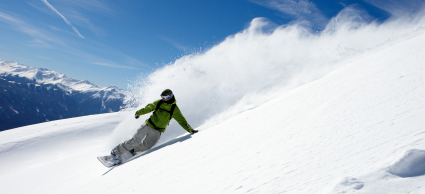
As the level of snowboarding expertise increases, especially with aerial manoeuvres, so does the risk of more serious knee ligament injuries such as ACL rupture. The incidence of injuries is high among competitive snowboarders and the injury pattern is different from the pattern seen among less experienced athletes, with fewer wrist injuries and more knee injuries. A recent study from Japan has also shown that the prevalence of injury type, injury location, mechanism of injury, and percentage of protective gear use varied according to skill level, and the severity of the injury increased with increase in skill level (Ogawa H, et al.: Skill Level-Specific Differences in Snowboarding-Related Injuries. AJSM PreView, published on December 29, 2009.)
Knee Injuries
Most serious knee injuries are quite painful initially. Some injuries, often caused by deceleration and change of direction, not necessarily at high speed, are followed by a loud "pop" or "crack" and rapid swelling, mainly because of anterior cruciate ligament (ACL) injury and bleeding inside the joint. If you knee is painful, especially if you cannot bear weight after the injury, it is always a good idea to have an X-ray of your knee and leg, as soon as possible, to exclude clinically less obvious minimally displaced or non-displaced bone fractures and fissures. If your bones are not broken, generally there is no panic about any surgical intervention, even if you have a major ligament injury. The best course of action is to calm down, ice the knee, get a compressive knee sleeve or a brace (but do not immobilise the knee in full extension), take some painkillers and have a rest. If the knee is swollen, the most comfortable position is at approximately 30 degrees of flexion, or in semiflexion. If your knee is still swollen and painful the following day, and if it feels unstable, consider seeing a knee specialist and having an MRI scan, either locally if possible, or when you return to the UK.
If the knee remains locked (if it does not go straight) it is likely that you have developed a displaced meniscal tear, which may require arthroscopic surgery fairly soon. Sometimes femoral avulsion of the ACL could result in a loss of extension as the torn and swollen ligament impinges on the anterior intercondylar femoral notch. In any case, you should aim to regain full knee extension as soon as possible, before the soft tissues and muscles at the back of the knee start getting tight.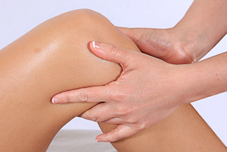
Acute ACL injury may also require surgery but there is no rush to do that. The most important thing is to get the knee going with appropriate exercises and to re-assess the damage clinically, and if necessary with further, more specific MR imaging studies. Getting rid of swelling and restoring a full range of movement and muscle power are the main goals during the first few weeks following a knee injury. A torn medial collateral ligament (MCL) will heal very well on its own most of the time, except in extensive multiligament knee injuries.
If you are flying long haul back to the UK, try to get a pair of flight socks and consider taking a small dose of Aspirin (if you do not have a history of gastrointestinal problems including bleeding or other contra-indications for Aspirin), or other venous thromboembolism (VTE) prophylaxis. It also makes sense to wear a knee support (soft knee sleeve) mainly as a proprioceptive device, but make sure that it is not too tight.
MRI (magnetic resonance imaging) is the best tool to diagnose knee injuries. Although most major ligament injuries are quite obvious clinically there are many other important intra-articular structures like menisci, articular cartilage and subchondral bone, which cannot be diagnosed clinically with any degree of accuracy. If your MRI shows some new bone bruising or bone marrow oedema, which is often the case in ACL injured knees, don't worry. Most subchondral changes, providing that you did not have them before, are the consequence of an impaction injury of the femur against the tibia. Subchondral changes generally "fade out" after 4 to 6 months, if the knee is stable and happy functionally, following successful natural remodelling of subchondral bone and restored joint homeostasis.
Further information:
-
Please visit Dr Mike Langran’s excellent Ski Injury website. Mike is the ski patrol doctor at CairnGorm Mountain in the Scottish Highlands & a GP (family doctor) at the Aviemore Medical Practice - the only general practice in the UK that treats significant numbers of acute snow sports injuries. Mike is regarded by his peers as the UK's leading expert in the field of snow sports safety.
- Peter Hardy: Ski injuries. Welove2ski (www.welove2ski.com)
-
Sean Fyfe and Cate Streeten: Who, how and what gets injured? Peak Performance.
Relevant articles:
-
Hiroyasu Ogawa et al.: Skill Level-Specific Differences in Snowboarding-Related Injuries. The American Journal of Sports Medicine, March 2010, 38:532-537. Snowboarding-related injuries have been associated with specific snowboarding skill levels, but differences in specific skill level have not been identified. The subjects of this study were 19539 snowboarders from the Oku-Mino region in Gifu Prefecture, Japan, who were admitted to the hospital during the 12 snowboarding seasons from 1996 to 2008. They were asked to complete a questionnaire regarding age, gender, self-estimated skill level, injury location, injury type, mechanism of injury, and protective gear. Physicians documented diagnostic variables and injury severity score; these variables were compared among the self-estimated skill levels. Results: Of the total 19 539 injured snowboarders, 1204 (6.2%) were novices, 6409 (32.8%) were beginners, 9260 (47.4%) were intermediates, 1918 (9.8%) were experts, and the skill level was not known in 748 (3.8%). Proportions of the trunk and multiple injuries increased with increases in skill level; however, the number of head/face injuries decreased with increase in skill level. Upper extremity injuries also decreased with increase in skill level, except in novices. Dislocations and multiple injuries increased with increase in skill level, while lacerations/contusions, fractures, and bruises decreased. The mean overall injury severity score was 3.28 6 0.02, and the value increased significantly with increase in skill level. The proportion of collision and isolated fall injuries significantly decreased with increase in skill level, but that of jump injuries significantly increased. The percentage of protective gear use increased with the increase in skill level. Conclusion: Prevalence of injury type, injury location, mechanism of injury, and percentage of protective gear use varied according to skill level, and the severity of the injury increased with increase in skill level. On the basis of their observations, the authors believe that snowboarding injury prevention strategies should be formulated according to skill level.
-
Mike Langran and Sivasubramaniam Selvaraj: Increased Injury Risk Among First-Day Skiers, Snowboarders, and Skiboarders. The American Journal of Sports Medicine 32:96-103 (2004). Article Summary: “While the absolute risk remains low, individuals on their 1st day’s experience of alpine skiing, snowboarding, and skiboarding are at greater risk of injury than more experienced individuals. The following factors are associated with an increased risk of injury: age younger than 17 years, age older than 26 years, snowboarding, taking professional instruction, and using rental gear or gear borrowed from friends or family. The anatomical patterns of injury are broadly similar to those reported previously. FDP (first day participants) skiers are more likely to injure their MCL but less likely to injure the head or face. FDP snowboarders have the highest incidence of upper limb injuries, as a result of a tendency to fall onto an outstretched hand. FDP skiboarders have the highest incidence of both lower limb injuries and fractures. We recommend that FDP are targeted in future education programs with particular emphasis on gear selection, use of protective gear, and the risks of exceeding the limits of their ability”.
-
Daniel Fulham O’Neill, Mark R. McGlone: Injury Risk in First-Time Snowboarders Versus First-Time Skiers. The American Journal of Sports Medicine 27:94-97 (1999). Article Summary: “Snowboarders had a higher percentage of upper extremity injuries (53%), while skiers had a higher percentage of lower extremity injuries (63%). Snowboarders, however, sustained a significantly higher incidence of emergent injuries (such as fracture, concussion, dislocation, lost teeth) necessitating immediate intervention. While there have been other reports describing injuries in these activities, no previous study attempted to look at the first-time participants with similar age, experience, and equipment to determine comparative risk. We conclude that for the first-time participant, snowboarding does show a higher incidence of emergent injuries.”
-
Joern Torjussen, Roald Bahr: Injuries Among Competitive Snowboarders at the National Elite Level. The American Journal of Sports Medicine 33:370-377 (2005). Article Summary: "Competitive snowboarders should be prepared to cope with the increasing demands for strength, endurance, and general fitness through appropriate training. A preseason assessment of physical condition can be beneficial. Furthermore, specific training for each discipline to improve movement skills, balance, and coordination is recommended. Gymnastics, including trampoline exercise, is essential to prepare for the big jump and halfpipe disciplines. Video recordings can increase awareness and ability to correct poor riding technique. Snowboard facilities should be properly maintained, and adequate construction of the pipe, jumps, and other obstacles is important. Recently, safety equipment has progressed, providing lightweight helmets, back protectors, elbow pads, wrist guards, padded gloves, and hip, knee, and shin pads. Even padded jackets and sweaters, similar to what is used in motocross, are available. Although there is no evidence proving their efficacy, it seems reasonable to suggest that helmet, back protectors, and hip pads should be used by halfpipe, big jump, and snowboardcross athletes. In the same way, alpine participants should wear a helmet, padded gloves, and knee and shin pads protecting from collisions with the gates. In conclusion, the incidence of injuries is high among competitive snowboarders at the elite national level. The injury pattern is different from the panorama seen among less experienced athletes, with fewer wrist injuries and more knee injuries."
-
Andrea J. Boon, MD; Jay Smith, MD; Edward R. Laskowski, MD: Snowboarding Injuries. The Physician and sportsmedicine, April 1999. Article Summary: "Compared with Alpine skiing, snowboarding entails a significantly higher risk of upper-extremity and ankle injuries, particularly fractures. Fracture of the lateral process of the talus is unusually common among snowboarders, and knowledge of this injury is important because the condition masquerades as an anterolateral ankle sprain and frequently is undetected on plain radiographs. Misdiagnosis of this fracture may lead to severe degeneration of the subtalar joint and long-term morbidity."
Helmets
Perhaps the best advice one can give to skiers and snowboarders comes from Jasper Shealy PhD, a researcher in Vermont, who has studied ski injuries for 30 years and snowboarding injuries for 15 years: “If you are going to wear a helmet, ski and ride as if you aren’t wearing one. Don’t alter your behavior, take more risks or ski or ride faster because you’re outfitted in a helmet. Make sure that you remain in control and ski and ride responsibly.
A little known and poorly appreciated fact is that helmets may not be as effective as you might think. By virtue of the design of helmets, they are more effective at preventing, or moderating skull fractures (0.1 percent of all skiing injuries) than concussions (2.4 percent of all skiing injuries). Alpine sports helmets have a hard outer shell that serves to blunt the concentration of force that is characteristic of a fracture. The helmets typically have a relatively soft inner liner that serves to cushion the blow and thus reduce the severity of the deceleration that the brain experiences. This combination offers only a modest level of protection given that the average speed of skiers on well groomed blue cruiser trails (where most of the fatalities take place) is on the order of 25 to 40 mph. It is clear that a helmet is not a panacea, particularly if the threat is that of a head impact with a tree on the margins of the trail (the most common fatality scenario).
Finally, it is important to keep head injuries in perspective. The incidence of serious head injuries in alpine skiing and snowboarding is not as frequent as you might think. During the past 19 seasons in our study, only 2.6 percent of all medically significant injuries in skiing are what we call a potentially serious head injury (PSHI). PSHI's are defined as any diagnosed concussion,  skull fracture, closed head injury, and/or death due to head injury. Of that 2.6 percent, 0.1 percent are skull fractures, 2.4 percent are concussions, and the other 0.1 percent is everything else that has the potential for serious neurological damage. To put this in a context, the comparable figure for bicycles is 32 percent. 32 percent of all injuries to bicyclists that are treated in hospital emergency rooms would meet our PSHI criteria. While the risk of a PSHI in skiing is not zero, nothing in life is risk free. If you are not part of the truly high risk group, i.e., relatively young (late teens to late thirties) adult male skiers who are at least intermediate or better in ability, your risk of such an injury is really quite low. In my opinion, the use of a helmet can be an effective part of an individual program to increase one’s safety on the slope. The use of a helmet should only be done if it part of an overall program, and under no circumstances should the use of the helmet be allowed to adversely affect the behavior of the user. Most important, do not have unrealistic expectations as to what a helmet can do, and ski safely and responsibly. Again, if you wear a helmet, ski or snowboard as if you’re not wearing one." Jasper E. Shealy, PhD.
Further information on helmets
- Dr Mike Langran: Helmets for snow sports. Ski Injury.
- Welove2ski.com Forum Debate: Gearing up - Helmets - essential or not?
- Peter Hardy: Ski safety: should helmets be mandatory? The case for. Telegraph Travel's ski correspondent Peter Hardy argues that helmets should be mandatory for all young skiers: "In an average winter I ski around 80 days and for the past 13 years I have worn a safety helmet on every one of them. Regardless of whether I am planning to ski off-piste, down a steep couloir with exposed rocks or I'm heading for the nursery slopes with a group of beginners, I put on my helmet along with my ski boots. I'd feel naked – and vulnerable without it." Last updated 19 March 2009. www.telegraph.co.uk.
- BBC News Health. Wearing helmet "beneficial" for skiers and snowboarders. Posted on 11 February 2011.
-
Gerhardt Ruedl, et al.: The protective effects of helmets in skiers and snowboarders ... are clear, but better education and public awareness are needed. BMJ 2011; 342:d857, published 10 February 2011.
Gear
It is very important that you have the right equipment for skiing or snowboarding. If you are serious about skiing or snowboarding we assume that you already have your own equipment. If you drive to a resort with skis in a carrier on the roof of your car, keep them in a ski bag or a roof box. However, if they are bare, remember that your ski bindings will not function normally as they may have been exposed to low temperatures and salt spray. Give them a good wash in a shower and dry them out with a hair dryer before you hit the slopes. If you are renting your equipment do make an effort to identify a reliable rental store in advance of your holiday (Google is often very helpful with this information). Be very careful with ski binding settings (if in doubt, always go for a lower setting) and make sure that your boots fit well. Here are a few tips on choosing the right equipment:
Boots
Good boot fit is extremely important.
Because each skier’s anatomy, particulary lower limb biomechanics, are unique achieving the optimal boot fit requires precise measurements. Again, if you are serious about skiing and if you ski several times a year we recommend custom fit boots, or customised top brand boots. This is the best way to achieve a "perfect" fit which is essential for comfortable and safe skiing.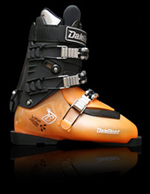
- Further information on custom fit boots: Dale Boot
- Further information on Dale Boots: welove2Ski
- The Surefoot custom boot combines an ability-specific shell, custom liner, and custom orthotic to deliver the ultimate in ski boot fit. In addition to their best-selling custom boots, Surefoot also offers hand-selected ski boots from Nordica, Tecnica, Lange, Salomon, Atomic, and many other top brands, all of which can be custom fitted using Surefoot’s Orthotic and custom liner. To arrange a fitting at a Surefoot store near you, please click on: Surefoot Stores.
- Further information on orthotics (shoe inserts) for your ski boots: Surefoot
- Further information on ski boot liners: Zipfit
Ski Bindings
When it comes to ski bindings, the most obvious setting of a ski binding is the indicator on the toe and heel. The indicator has a sliding gradient scale whose numbers relate to the tension setting of the binding. The correct number setting for each skier is determined by inputting the skier's personal information into a formula developed by the binding manufacturer. Information such as age, height, weight and length of boot is factored in with the assessment of the skier’s ability and a number is calculated for the setting. Generally, you don’t want to overestimate your skiing ability or underestimate your weight. You can have the setting increased if you find you are releasing early, but the chance of injury greatly increases when your bindings do not release when you really need them to.
A soon as your bindings are adjusted, it is time to test the bindings. Always test your bindings when you enter the slopes. A rule of thumb is that you should be able to open your front bindings just by twisting your foot to left or right. Source: Homeboy's World of Skiing and Selecting a ski binding.
"It has been the belief of many ski area doctors for a good while that the international settings standard for ski bindings (the charts used to set the tightness of ski bindings by technicians, such as ISO) could be safely reduced slightly, especially in some important sub groups such as women and that this might reduce the incidence of knee injuries like MCL sprains. Based on this hypothesis, in the year 2000 France, largely driven by the Medecins de Montagne (MDM) - an association of French ski doctors - introduced a new system for setting bindings called the AFNOR standard. This is based on gender, boot size and skier weight as well as a subjective description of skier ability made by the skier themselves. On average, French settings are 15% lower for the following groups - males <55kg, all females and all beginners. As a result, there has been a 26% reduction in ACL injury rates, and a 38% reduction in other knee sprain rates - both for men and women. The real question is whether the improvement in ACL rates has occurred because of the lower binding settings or not - you can't directly say that it has. It may, for example, relate to other factors such as the increasing use of shorter carving skis - or indeed may purely be down to chance." Source: Dr Mike Langran, Ski Injury.
Therefore, your own bindings should be checked professionally every year and rental bindings and settings should be examined very thoroughly. Skiers whose fitness levels have dropped or who haven’t skied for some time should consider setting the bindings lower.
Fitness, or the lack if it ...
A lack of fitness is often in the background of many skiing and snowboarding injuries. Many skiers and snowboarders are unaware that they should start exercising three months before they hit the slopes.
- Forget about bad technique or the wrong kind of skis. More than anything, it's a lack of fitness which holds back recreational skiers. For further information please visit the Welove2ski website and take a look at their excellent Fitness Programme. This complete exercise programme has been compiled by Dr Steve Ingham, a physiologist at the English Institute of Sport, who has advised athletes at Olympic level across a range of sports. The greatest strength of this programme is its flexibility. It's split into five phases, building from phase one (early days) to phase five (the final weeks before the trip), and you can spend more or less time on each one depending on how long you've got left before your trip. You can also miss out phases altogether. As a result, it'll help you whether you have twelve weeks prepare yourself, or two. Source: welove2ski.
- The percentage of ACL injuries linked to skiing has soared, from 9% in 1994 to 28% in 2004. Steve Bollen, president of the British Orthopaedic Sports Trauma Association (BOSTA), blames poor fitness among beginners for many skiing knee injuries. He describes many of the serious ligament injuries which he sees as "half-term syndrome" - especially in women who are perhaps not physically as fit as they could be, going on a skiing trip with no prior preparation. BBC News Channel, 14 January 2008. Read more ...
If you are in our area you may wish to explore a new service for skiers, provided by Nuffield Health Wellbeing Physiotherapy at the Grosvenor Hospital Chester. For more information see: Pilates for Skiers.
This page was launched on 16 October 2008 and updated on 16 October 2011.
Site last updated on: 28 March 2014
|
 Disclaimer: This website is a source of information
and education resource for health professionals and individuals
with knee problems. Neither Chester Knee Clinic nor Vladimir Bobic
make any warranties or guarantees that the information contained
herein is accurate or complete, and are not responsible for
any errors or omissions therein, or for the results obtained from
the use of such information. Users of this information are encouraged
to confirm the accuracy and applicability thereof with other sources.
Not all knee conditions and treatment modalities are described
on this website. The opinions and methods of diagnosis and treatment
change inevitably and rapidly as new information becomes available,
and therefore the information in this website does not necessarily
represent the most current thoughts or methods. The content of
this website is provided for information only and is not intended
to be used for diagnosis or treatment or as a substitute for consultation
with your own doctor or a specialist. Email
addresses supplied are provided for basic enquiries and should
not be used for urgent or emergency requests, treatment of any
knee injuries or conditions or to transmit confidential or medical
information. If you have sustained a knee injury or have a medical condition,
you should promptly seek appropriate medical advice from your local
doctor. Any opinions or information,
unless otherwise stated, are those of Vladimir Bobic, and in no
way claim to represent the views of any other medical professionals
or institutions, including Nuffield Health and Spire Hospitals. Chester
Knee Clinic will not be liable for any direct, indirect,
consequential, special, exemplary, or other damages, loss or injury
to persons which may occur by the user's reliance on any statements,
information or advice contained in this website. Chester Knee Clinic is
not responsible for the content of external websites.
Disclaimer: This website is a source of information
and education resource for health professionals and individuals
with knee problems. Neither Chester Knee Clinic nor Vladimir Bobic
make any warranties or guarantees that the information contained
herein is accurate or complete, and are not responsible for
any errors or omissions therein, or for the results obtained from
the use of such information. Users of this information are encouraged
to confirm the accuracy and applicability thereof with other sources.
Not all knee conditions and treatment modalities are described
on this website. The opinions and methods of diagnosis and treatment
change inevitably and rapidly as new information becomes available,
and therefore the information in this website does not necessarily
represent the most current thoughts or methods. The content of
this website is provided for information only and is not intended
to be used for diagnosis or treatment or as a substitute for consultation
with your own doctor or a specialist. Email
addresses supplied are provided for basic enquiries and should
not be used for urgent or emergency requests, treatment of any
knee injuries or conditions or to transmit confidential or medical
information. If you have sustained a knee injury or have a medical condition,
you should promptly seek appropriate medical advice from your local
doctor. Any opinions or information,
unless otherwise stated, are those of Vladimir Bobic, and in no
way claim to represent the views of any other medical professionals
or institutions, including Nuffield Health and Spire Hospitals. Chester
Knee Clinic will not be liable for any direct, indirect,
consequential, special, exemplary, or other damages, loss or injury
to persons which may occur by the user's reliance on any statements,
information or advice contained in this website. Chester Knee Clinic is
not responsible for the content of external websites.
[ back to top ]
